

Published in
13 min read
Jul 1, 2020
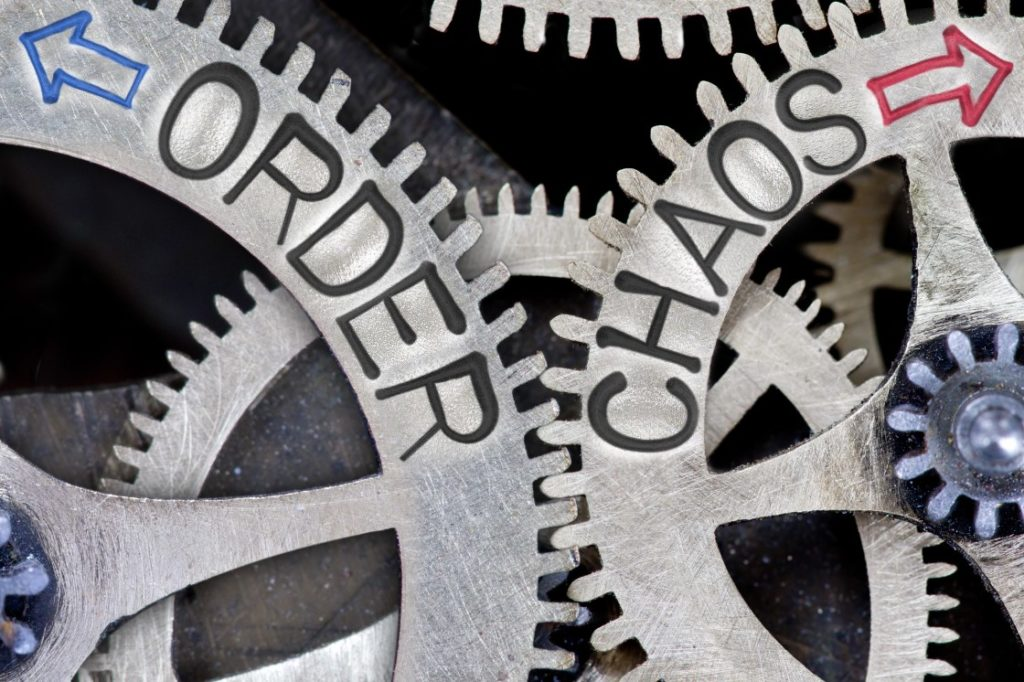
Let’s face it: most startups are a shitshow. Perhaps the most pervasive problem afflicting venture-backed startups, once they achieve a basic level of product-market fit, is managing the organizational chaos that results from rapid growth. Almost by definition, this is a chronic challenge of Series A-C stage startups since the rapid expansion of the team to chase a new market opportunity is the purpose of that venture funding in the first place. During this time, the growing pains of the startup will reach such a crescendo that the founders and board will cry out as one, “we need a COO!”
As with any potential problem in a startup, it is possible to posit that a perfect hire could solve that problem, but the more direct route is simply to solve it yourself. Putting your startup on an operating cadence is the way to do that. The Cadence is an operating philosophy that I first learned as COO of PayPal (during the so-called “PayPal Mafia” founding era) and then adapted for SaaS as founder/CEO of Yammer, which Microsoft acquired in 2012 for $1.2 billion. To this day, Yammer is still the fastest unicorn exit among SaaS startups, and a lot of that success is due to the Cadence. The Cadence helped us scale to almost 500 employees and $56 million in annual sales in 4 years.
The Cadence is most needed when scaling from 50 to 500 employees. This is when a pivotal transition in the way the startup operates is required. Before then, all of the employees fit into a single room (either physically or virtually), everyone knows what everyone else is working on, and founders can easily run around telling everyone what to build and what to do.
But at around 50 employees, this approach stops scaling. So the org chart is broken into silos for sales, marketing, customer support, and other functions, and product managers are hired to guide the development process. These new levels of hierarchy create a feeling of compartmentalization and disconnect in the organization. Meanwhile, a lack of leadership for some functions creates a sense of disorganization. Disconnect plus disorganization equals chaos. Ironically, the better the startup is doing, the more chaos there is. This is one of the few startup problems that growth doesn’t solve — in fact, it’s caused by growth.
Ironically, the better the startup is doing, the more chaos there is. This is one of the few startup problems that growth doesn’t solve — in fact, it’s caused by growth.
The Cadence is designed to synchronize the major functions of a SaaS startup so that the team works together in lockstep. It brings order to the chaos; it turns the shitshow into an army. It brings together disconnected areas so everyone understands what is happening and what they should work on. It replaces erratic release dates and sales targets with concrete milestones for shipping and selling. The impact of hitting those milestones, quarter after quarter, has a huge compounding effect on the performance of the business and its culture.
So what is the Cadence? It’s based on a few simple insights: